
Naturally Recovering Autism: A Thoughtful Conversation with Karen Thomas
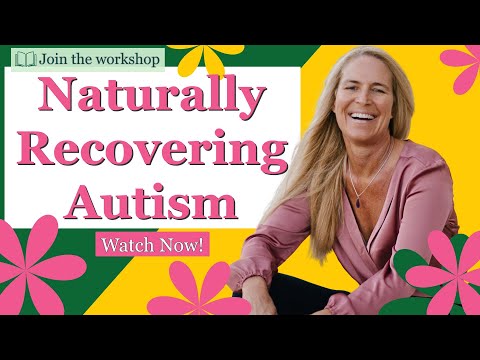
In this HomeSchool ThinkTank interview, you’ll meet Karen Thomas, founder of Naturally Recovering Autism—a trusted voice for parents who want to better understand autism and support their child’s health in practical, informed ways. Karen’s work is shaped by both professional experience and personal journey, and she has spent years helping families navigate autism with clarity, education, and compassion.
In our conversation, Karen and I don’t tell parents what they should do. Instead, we talk through the real questions parents face every day—especially when they’re trying to support their child’s learning, behavior, focus, and overall well-being. We explore how factors like environment, sensory input, diet, and health can influence a child’s ability to learn and regulate, and why one-size-fits-all answers often fall short.
This interview is designed to help parents think more clearly and feel less alone. Whether you’re feeling overwhelmed, weighing schooling options, or simply trying to understand what might help your child thrive, this conversation offers perspective, insight, and a thoughtful place to start—without pressure, judgment, or quick fixes.

Who Is Karen Thomas?
Karen Thomas is both a mother and a holistic health practitioner with more than 30 years of experience. Her work began with her own son, who was diagnosed with autism as a child.
After being told there was little that could be done beyond managing symptoms, Karen began researching on her own—studying nutrition, environmental factors, and biological health. Over time, she developed a structured, step-by-step approach focused on restoring health and reducing the factors that can interfere with learning, behavior, and regulation.
Today, Karen teaches parents around the world how to apply this approach in their own homes. Families in more than 40 countries now use the Naturally Recovering Autism framework to better understand what may be affecting their child and how to support them.
Thank you for your support!
— Jackie, Founder of HomeSchool ThinkTank
🎥 Watch the video interview with Karen Thomas
This interview explores homeschooling decisions, learning environments, sensory overload, and how health factors, such as diet, can influence focus and regulation.
What Does “Recovery” Mean in This Context?
One of the most important clarifications Karen makes in our interview is about language.
Recovery means “to regain health.”
It does not mean curing autism or changing who a child is. Autism is a diagnostic label made up of a group of symptoms, and every child presents differently.
Karen’s work focuses on identifying and addressing biological stressors that may be impacting:
- Focus and learning
- Mood and emotional regulation
- Sleep
- Digestion and immune function
- Sensory processing
In some cases, when enough symptoms are no longer present, a child may no longer meet diagnostic criteria. In other cases, families simply see meaningful improvements in daily life. Both outcomes matter.
👉 Join Karen’s Naturally Recovering Autism Workshop.
Why Learning Environments Matter (Including Homeschooling)
In the interview we’ve shared below, Karen shares why the learning environment is such an important piece of the puzzle—especially for children with sensory sensitivities.
Some of the factors we discuss include:
- Sensory overload from noise, lighting, and constant stimulation
- Difficulty maintaining dietary changes at school
- Challenges with supplements or health supports during the school day
- Anxiety, agitation, and difficulty focusing in traditional classrooms
This doesn’t mean homeschooling is always the right answer—but it can give families more flexibility as they work to support their child’s health.
Karen also talks about alternatives, including:
- Smaller learning environments
- Homeschool pods
- Flexible schooling options
- Taking a child’s current needs into account (and revisiting decisions later)
The goal is not perfection—it’s responsiveness.

The Gut–Brain Connection (And Why Diet Comes Up So Often)
One theme that comes up repeatedly in Karen’s work is the gut–brain connection.
The gut plays a significant role in:
- Immune system function
- Neurotransmitter production (including serotonin and dopamine)
- Inflammation levels throughout the body
When the gut is inflamed or not functioning well, it can affect mood, focus, sleep, and learning. This is why Karen often encourages parents to start with diet—not as a cure, but as a foundational step.
In our interview, she explains why certain foods are especially problematic for some children and why picky eating is often more complex than it looks.
👉 Join Karen’s Naturally Recovering Autism Workshop.
A Practical Starting Point for Parents
For parents who feel overwhelmed, Karen emphasizes starting small.
One of the most accessible first steps she shares is removing a short list of commonly problematic foods and observing changes over time. Many parents report improvements in sleep, regulation, and focus—even before moving on to more advanced supports.
This approach allows parents to see for themselves how food and environment may be affecting their child, rather than relying on guesswork.
A Deeper Look at Learning, Sensory Needs, and Autism
Karen regularly hosts in-depth workshops designed to help parents better understand autism, learning differences, and sensory needs. These sessions offer practical education, guidance, and next steps for families who want to better support their child.
Inside the Naturally Recovering Autism Workshop
Karen’s Naturally Recovering Autism Workshop is designed to walk parents through her full framework in a clear, organized way.
In the workshop, Karen explains:
- How to support gut health
- Safe, natural detoxification principles
- The role of co-infections and environmental triggers
- How brain support fits into the bigger picture
- Why order and timing matter
Most importantly, parents leave with a roadmap—not just information.
This workshop is ideal for parents who want:
- A deeper understanding of what may be affecting their child
- A step-by-step approach instead of scattered advice
- Support rooted in education, not fear or pressure
👉 Join Karen’s Naturally Recovering Autism Workshop.
If you know another parent who is navigating autism and looking for supportive, educational resources, please share this article with them.

Recommended Resources for Parents
- Help Your Child With Clothing Sensory Issues
Practical ways to support kids who struggle with textures, seams, and sensory discomfort. - Fun Sensory Activities to Help Kids Calm and Focus
Simple, at-home sensory ideas that support regulation and learning. - Understanding Different Homeschool Approaches
Learn how various learning styles and environments can support different kids. - Should I Homeschool My Child? How to Decide What’s Best for Your Family
A thoughtful guide to weighing schooling options based on your child’s unique needs. - Get the Parenting Support You Need
How life coaching can help parents manage overwhelm, gain clarity, and feel more confident as they support their children (whether you homeschool or not).
Share This Article
If this conversation helped you, chances are it could help someone you care about, too.
Many parents are quietly searching for support and don’t know where to turn.
If a parent, educator, or support group comes to mind, consider sharing this article with them—you never know when it might be exactly what they need.
 Licensed image. Design © 2025 HomeSchool ThinkTank, LLC.
 Licensed image. Design © 2025 HomeSchool ThinkTank, LLC.