
Worldschooling 101: Homeschool Around the World
Worldschooling 101: How Families Homeschool While Traveling the World
Have you ever imagined traveling the world with your kids—not just on vacation, but as a way of life? If so, worldschooling may be an option worth exploring.
Worldschooling is a homeschooling lifestyle that blends travel, real-world experiences, and education into everyday life. For some families, it means slow international travel. For others, it looks like extended stays in different regions, seasonal travel, or even living abroad for a period of time.
In this guide, you’ll learn what worldschooling really is, how it works, and how families educate their children while traveling—so you can decide whether this approach fits your family.
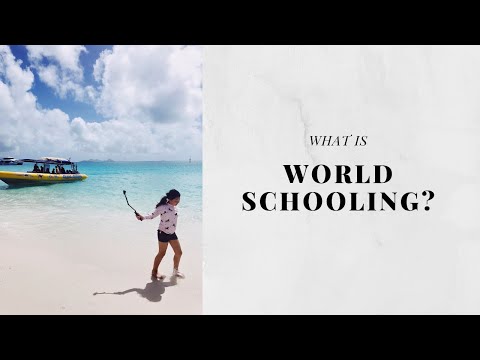
What Is Worldschooling?
Worldschooling is a form of homeschooling that centers education around travel, culture, and experiential learning.
Worldschooling families educate their children while traveling domestically or internationally, often for extended periods of time. Learning happens through daily experiences—exploring new places, engaging with different cultures, navigating unfamiliar environments, and integrating academics along the way.
Because worldschooling exists outside traditional school systems, families who worldschool are homeschooling families by definition. However, the way education looks can vary widely.
Some worldschoolers use a structured curriculum.
Others follow a more flexible or unschooling approach.
Many families blend multiple homeschooling styles together.
There is no single “right” way to worldschool.
Worldschooling vs. World Schooling (Spelling)
You may see this lifestyle written as worldschooling or world schooling. Both spellings are commonly used.
At HomeSchool ThinkTank, we typically use worldschooling as one word, but you’ll see both versions used interchangeably across the internet.
Key Characteristics of Worldschooling
While every family’s experience is different, worldschooling often includes:
- Homeschooling while traveling
- Extended time spent outside a family’s home country or region
- Experiential, hands-on learning
- Exposure to different cultures, languages, and ways of life
- Frequent field trips, museums, and historical sites
- Learning geography, history, science, and social studies through lived experience
- Developing adaptability, problem-solving skills, and independence
Worldschooling often involves crossing continents or traveling slowly and intentionally through multiple countries. When families travel primarily within a single country, this approach is usually considered roadschooling. In both cases, what matters most is how learning is woven into everyday life.
Worldschooling and Education Beyond Textbooks
Education in a worldschooling family goes far beyond worksheets and online lessons.
Instead of learning about geography from a map, children experience geography firsthand.
Instead of reading about history, they walk through it.
Instead of watching videos about culture, they live among it.
That doesn’t mean academics disappear. Math, reading, writing, and other foundational skills still matter. But worldschooling parents recognize that learning doesn’t have to be confined to a desk to be meaningful or effective.
Worldschooling can complement many homeschooling styles, including:
- Classical education
- Unit studies
- Unschooling
- Interest-led learning
- Traditional curriculum with real-world application
Worldschooling Curriculum: What Do Families Use?
One of the most common questions parents ask is: “What curriculum do worldschoolers use?”
The short answer: it depends.
Some families use:
- Online math or language arts programs
- Digital textbooks or workbooks
- Portable curriculum designed for travel
Others create learning plans based on:
- Where they are traveling
- What their children are curious about
- Unit studies tied to real-world experiences
For example:
- Studying ancient civilizations while visiting historical ruins
- Learning ecology while hiking or snorkeling
- Exploring world religions through architecture, art, and local customs
Worldschooling allows families to be intentional without being rigid.

Benefits of Worldschooling
Worldschooling offers many potential benefits, both academically and personally:
- Compassion and empathy for people from different backgrounds
- Confidence in navigating unfamiliar environments
- Patience and adaptability
- A deeper understanding of geography, history, and global cultures
- Exposure to new languages and ways of communicating
- Strong problem-solving and critical thinking skills
- Increased independence and self-awareness
- A mindset shift that separates learning from schooling
Perhaps most importantly, worldschooling helps children see themselves as capable learners in the real world—not just students completing assignments.
What Worldschooling Looks Like in Real Life
Worldschooling doesn’t look the same for every family.
Some families:
- Travel full-time for several years
- Spend months in one location before moving on
- Combine travel with a home base
- Travel seasonally or internationally once a year
You don’t have to “sell everything and travel forever” to worldschool.
Many families begin by:
- Taking extended trips
- Roadschooling for a season
- Studying a region deeply before moving on
Worldschooling exists on a spectrum, and families can adjust their approach as their needs change.
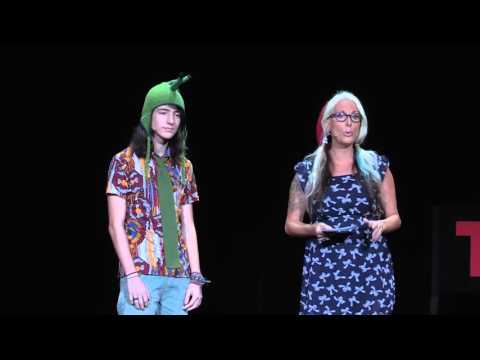
TEDx Video About Unschooling & Worldschooling
In this TEDx talk, Lainie Liberti and her son, Miro Siegel, share how an unschooling approach to learning can be combined with worldschooling. Their perspective offers insight into how education can happen beyond traditional classrooms through lived experience and real-world learning.
While this approach may challenge conventional ideas about schooling, we encourage you to listen closely to their message—particularly how clearly and thoughtfully Miro articulates his learning experiences.
Worldschooling, Learning, and Lifelong Education
Worldschooling naturally invites families to rethink the difference between schooling, education, and learning.
Schooling often focuses on structure and systems.
Education provides knowledge and tools.
Learning happens everywhere—through curiosity, experience, and reflection.
Worldschooling families tend to prioritize learning as a lifelong process, not something limited to a classroom or age range.
Is Worldschooling Right for Your Family?
Worldschooling isn’t for everyone—and it doesn’t need to be.
But for families who value:
- Flexibility
- Curiosity
- Connection
- Experiential learning
…it can be a powerful way to educate children while strengthening family relationships.
If you’re curious but unsure where to begin, you don’t have to figure it out alone.
Thank you for your support!
— Jackie, Founder of HomeSchool ThinkTank
Books About Worldschooling and Travel
If you want to explore worldschooling further, learning from other families’ experiences can be helpful. Books offer a window into different approaches, challenges, and philosophies surrounding travel-based education.
Worldschooling-related books often focus on:
- Family travel
- Educational freedom
- Raising globally minded children
- Blending academics with experience
Reading widely can help you determine what resonates with your values and your family’s goals.
World Schooling Books
If you’d like a deeper look into the worldschooling movement, one of the best ways to explore it is through the experiences of other worldschooling families. The books below offer a variety of perspectives and are well-reviewed by readers.
- Born to Travel: Wanderlust Families that Collect Passport Stamps Instead of Toys by Sara Tyler , Kara S. McWest , et al.
- Exit Normal: How We Escaped With Our Family and Changed Our Life by Domini Hedderman
- Rainbows on My Toes: From Ireland to Portugal with 3 Children by Indra Roelants
- And Off They Went: One family’s journey around the world by Janet Revell
- The World Is Our Classroom: Extreme Parenting and the Rise of Worldschooling (Critical Perspectives on Youth) by Jennie Germann Molz
- World Schooling: How to Revolutionize Your Child’s Education Through Travel by Ashley Dymock de Tello and Brenda and Gawin Brave
- The Year We Ruined Our Lives: A Family Road Trip Through Mexico and Central America by Paul Carlino and Mila Villasana
Books About Traveling
(Perfect for Worldschoolers & Families Who Love to Travel)
These books offer a closer look at worldschooling through personal stories and broader perspectives. They explore what it’s like to educate children while traveling, the challenges families face, and the mindset shifts that often come with learning beyond traditional classrooms.
- A Beginner’s Guide to Traveling The World: Stories and Tips for the Travel Curious by Mandy Litton
- The Bucket List: 1000 Adventures Big & Small by Kath Stathers
- Destinations of a Lifetime: 225 of the World’s Most Amazing Places by National Geographic
- How to Travel the World on $75 a Day: Travel Cheaper, Longer, Smarter by Matt Kepnes
- Wanderlust: A Traveler’s Guide to the Globe by Moon Travel Guides
More Fun Ways to Learn About the World
Whether your family travels often or stays closer to home, these resources offer engaging ways to explore the world through books, videos, and audio. They’re flexible options that support curiosity, cultural awareness, and real-world learning—no passport required.
- Give Your Child the World by Jamie C. Martin: This book uses children’s literature as a gateway to global learning. It introduces families to cultures, traditions, and perspectives from around the world, making it easy to explore geography and history through stories.
- The Nomadic Professor: Curriculum and video-based resources designed to teach history and social studies through real places and events. These materials pair well with travel but are just as valuable for families learning from home.
- History Podcasts (HomeSchool ThinkTank Collection): This curated collection makes learning about the world accessible and engaging. Audio storytelling is an especially practical option for travel days, road trips, or relaxed learning at home.
- Project World School: A global learning community co-founded by Lainie Liberti and her son, Miro Siegel. It offers opportunities for teens and young adults to connect with peers worldwide, participate in temporary learning communities, and explore meaningful, travel-based education. For homeschooling families who want a deeper travel experience and a supportive community, Project World School can be a valuable way to learn, make friends, and grow together.
Support from HomeSchool ThinkTank
At HomeSchool ThinkTank, we help parents explore homeschooling options with clarity and confidence—including alternative approaches like worldschooling.
Whether you’re:
- Just starting to think about homeschooling
- Already homeschooling and considering travel
- Looking for a more flexible, values-based approach
Support and guidance can make all the difference.
👉 Sign up for homeschooling tips, inspiration, and a free consultation.

Recommended Homeschooling Resources
If you’d like to explore related homeschooling approaches and ideas, these articles offer helpful context and practical guidance:
- Homeschooling Styles & Approaches
Learn about different ways families homeschool, including classical education, unit studies, unschooling, and more—so you can better understand how worldschooling fits within the bigger picture. - Roadschooling: Homeschooling While Traveling
Discover how roadschooling differs from worldschooling and what it looks like to homeschool while traveling primarily within one country. - Unschooling Explained
A closer look at unschooling as an educational philosophy, including how interest-led learning and real-world experiences support deep understanding. - Museum Pass for Hundreds of Museums Worldwide
Learn how museum passes can make hands-on learning more accessible, affordable, and engaging—whether you’re traveling or exploring close to home. - Education vs. Schooling
Explore the difference between schooling and true education, and why learning doesn’t have to be confined to classrooms, schedules, or traditional systems.
One Homeschooling Mom’s Experience with Worldschooling
Click here to follow and learn more about the HomeSchool ThinkTank Parenting Podcast.
Want to Share This Article?
Whether you’re sharing with family, friends, or homeschooling groups, this article offers inspiration and resources that many parents will find helpful.
 2018-2026+. HomeSchool ThinkTank, LLC. All Rights Reserved.
 Licensed image. Design © 2025 HomeSchool ThinkTank, LLC.