
Road Schooling: What It Is, How It Works, and Whether It’s Right for Your Family
What Is Road Schooling? A Thoughtful Look at Learning While Traveling as a Family
Road schooling is one of those ideas that immediately sparks curiosity.
The thought of traveling as a family while continuing your child’s education can feel exciting—and overwhelming—at the same time. Parents often wonder whether road schooling is realistic, responsible, or even possible with real kids, real needs, and real life.
This article isn’t here to convince you to sell everything and hit the road.
It’s here to help you understand what road schooling actually is, what it looks like in practice, and how to decide whether it fits your family and your season of life.
What Is Road Schooling?
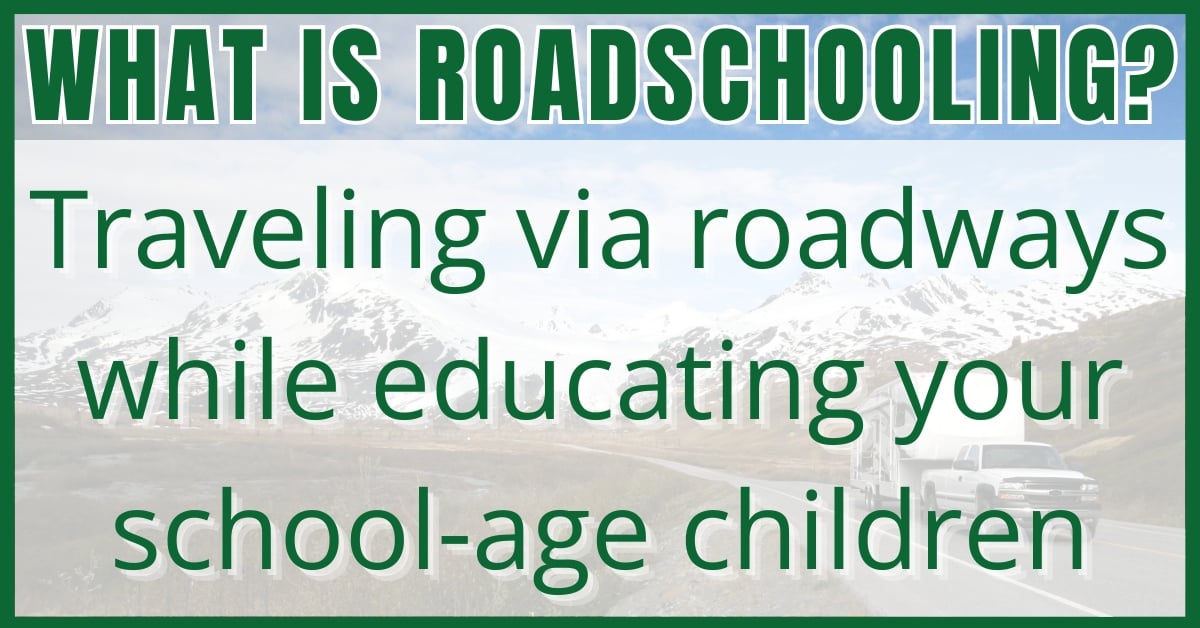
Road schooling is a form of homeschooling where learning happens while a family travels, most often by car, RV, van, or trailer.
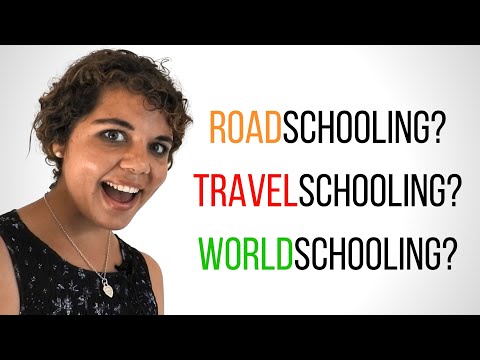
You’ll also hear families use the terms roadschool or roadschooling. These aren’t dictionary-defined words—they’re community-created terms used by homeschoolers to describe learning that happens on the road instead of in a fixed location.
Road schooling is not a curriculum and it’s not a single method of homeschooling. It’s a learning context.
Education happens through:
- Real-world experiences
- Conversation and observation
- Exploration and curiosity
- Reading, writing, and reflection
- Everyday life while traveling
Some families road school full-time.
Others do it for a season, a year, or a handful of extended trips.
Many families seriously consider it—and then decide not to pursue it.
All of those choices are valid.
Why Families Are Drawn to Road Schooling
Most parents don’t explore road schooling because they’re chasing adventure for adventure’s sake.
They’re usually questioning something deeper.
Parents often become curious about road schooling because:
- Traditional schooling feels rigid or limiting
- Learning feels disconnected from real life
- Family time feels rushed or fragmented
- Kids learn best through experience
- Homeschooling opens up new possibilities
For many families, road schooling begins as a simple question:
“What if learning didn’t have to look the way I was taught?”

What Road Schooling Looks Like in Real Life
Road schooling rarely looks like “school on wheels.”
Most roadschooling families don’t recreate a classroom in an RV or follow strict daily schedules. Learning tends to happen in rhythms rather than routines.
That might look like:
- Reading or journaling in the morning, then exploring a national park
- Learning geography by traveling through it
- Studying history by visiting places where it actually happened
- Practicing math through budgeting, mileage, and daily logistics
- Learning science through weather, wildlife, and observation
Some days feel rich and productive.
Other days feel scattered, slow, or unstructured.
That’s normal.
Road schooling works best when parents focus on learning as a process, not a checklist.
What We Learned When We Almost Tried Road Schooling
At one point, our family seriously considered road schooling.
We planned, researched, and imagined what life and learning on the road might look like. And in the end, we decided not to road school full-time.
That experience was still incredibly valuable.
What we learned is that road schooling isn’t just about loving travel. It also requires:
- Emotional flexibility
- Strong communication
- Comfort with uncertainty
- Willingness to adjust plans often
- Letting go of perfection
Road schooling can be a great fit for some families—and a stressful mismatch for others. Realizing which category you fall into before committing can be just as helpful as doing it.
Sometimes the biggest benefit is clarity.
Common Questions Parents Have About Road Schooling
What about academics?
Learning doesn’t stop when you travel—it shifts. Reading, writing, math, and critical thinking still happen, often in more meaningful ways, when learning is connected to real life.
What about socialization?
Socialization during road schooling looks different. Kids often interact with people of all ages, not just peers. Some families prioritize meetups with other traveling families, while others travel slowly or return to familiar places seasonally.
What about structure?
Road schooling usually involves less rigid structure and more intentional guidance. Parents observe, support, and adapt rather than enforce a strict daily schedule.
Is road schooling the same as being homeless?
No. Road schooling is an intentional lifestyle choice that typically involves months of planning—finances, living arrangements, destinations, and learning goals. It’s not a lack of housing; it’s a different way of living.
What if it doesn’t work?
Road schooling doesn’t have to be permanent to be worthwhile. Many families try it for a season and then adjust based on what they learn.
Where Do Roadschooling Families Live?
Many roadschooling families live in recreational vehicles such as:
- Travel trailers
- Fifth wheels
- Motorhomes
- Camper vans
Others road school while staying in:
- Short-term rentals
- Hotels or hostels
- Tents during road trips
Some families travel full-time, while others road school part-time and return home between trips. There is no single “right” way to do this.
Is Road Schooling Right for Your Family?
This is the most important question—and the answer is deeply personal.
Road schooling often works best for families who:
- Are comfortable with flexibility
- Can adapt plans quickly
- Value experiences over routines
- Are okay with learning looking different
- Communicate well as a family
It may be more challenging for families who:
- Need predictable structure to feel calm
- Are already feeling overwhelmed
- Have children who strongly rely on routine
- Feel pressure to do everything “the right way”
Choosing not to road school is not a failure. It’s thoughtful decision-making.
Road Schooling and Other Travel-Based Learning Styles
Road schooling is one way families combine travel and education—but it’s not the only way.
Some families explore:
- Short-term road schooling trips
- Seasonal travel
- Slow travel with longer stays
- Worldschooling (international travel-based learning)
Each option comes with different demands, costs, and energy levels. Road schooling is often the most accessible entry point for families curious about learning beyond a single location.
Support and Community for Roadschooling Families
One surprise for many parents is realizing there’s no single organization that provides full-time structure for road schooling families.
Most roadschoolers rely on:
- Community connections
- Other traveling families
- Online groups
- Their own rhythms and routines
Road schooling works best when parents feel supported—not because someone else is “providing school,” but because they feel confident guiding their children through learning in a nontraditional environment.
➡️ Follow the podcast 🎧
A Final Thought
Road schooling isn’t about escaping responsibility or chasing adventure.
At its best, road schooling is about intention—choosing learning experiences that align with your family’s values, your children’s needs, and your current season of life.
Whether you road school for a year, a month, or never at all, thinking through these questions can reshape how you view education. And that perspective matters no matter where learning happens.
Recommended Resources for Families Exploring Road Schooling
If road schooling has you rethinking what learning can look like, these resources will help you go deeper—at your own pace—without pressure to do everything at once.
- 🌱 Deschooling: Before changing how you homeschool, it’s often helpful to reset how you think about learning.
- 🧭 Unschooling: If you’re curious about child-led, interest-driven learning—especially while traveling—this will help you understand what unschooling really is (and what it’s not).
- 🧺 Minimalism & Simplifying: Living and learning on the road often brings clarity about what truly matters. These resources explore how simplifying your home and schedule can support your homeschool.
- 📚 Homeschool Curriculum: Whether you use a formal curriculum, a flexible mix, or none at all, understanding your options can help you feel more confident in your choices.
- 🤝Homeschool Consulting & Support: If you’re feeling stuck, overwhelmed, or unsure about your next step—whether road schooling or homeschooling in general—you don’t have to figure it out alone.
Know Someone Curious About Road Schooling?
Copy and paste the link below to share this article with parents who are exploring homeschooling, travel, or alternative approaches to learning.
 Image credit: © Carrie Strong. Used with permission. Design by HomeSchool ThinkTank™.
 Licensed image. Design © 2025 HomeSchool ThinkTank, LLC.